The Fence Setup Refine Explained Detailed
A fence is one of those upgrades that really feels simple up until you're really staring at your backyard, your survey pins, and a pile of parts that do not respect your optimism. The real work happens in the information, and those information are what separate a directly, solid mount from a shaky mess you spend the following five years "patching."
I have actually enjoyed fences enter quick and look great for a while, and I have actually likewise seen "economical and quick" develop into deformed panels, leaning posts, and uncomfortable gaps that no amount of landscaping can fully conceal. Fortunately is that a solid procedure is learnable. If you understand what's meant to occur and why, you can ask better questions and capture problems early, whether you're working with a fencing contractor, collaborating with a fence company, or working as the choice manufacturer for the project.
Below is the fencing installation process, step by step, from the first contact us to the last cleanup, with the useful judgment calls that really matter.
Step 1: The initial site talk, not the sales talk
Most individuals start with appearances. They reveal images of picket fencings, modern black aluminum, or a personal privacy wall that resembles it belongs in a magazine.
Then the fencing company (or fencing contractor) need to change the conversation to land realities.
Expect concerns about:
- Where you want gates and how you'll utilize them day-to-day
- Whether youngsters, animals, or livestock are entailed
- How much wind your place gets, due to the fact that it affects material selection and message spacing
- Existing challenges like lawn sprinkler lines, concrete, hidden utilities, tree origins, and old fencing residues
- Property lines and any recognized easements
On my jobs, the most important very early detail is the plan for borders. A fencing can not be "close enough" if the objective is long-term peace. Also if you assume you understand where the line is, request for how they'll validate it. Great fencing contractors treat this like foundation, not paperwork.
Step 2: Measuring, noting, and verifying boundaries
This is where installations obtain won or lost.
Before a solitary opening is dug, a genuine fencing contractor must confirm the format. That can imply using the survey info provided by the home owner, looking for study pins, or coordinating with a property surveyor if border information is missing or obsoleted. They also need to inspect the ground and quality adjustments along the run.
Why this matters: a fence is just straight if the line is correct and the surface is handled attentively. If they put blog posts thoughtlessly without making up incline, you wind up with a fence that looks "practically" right, however all-time low will differ in elevation, gates won't swing easily, and panels will rack under tension.
One area note that conserves headaches: do not rely on old fencing corners to represent lawful lines. Old fencing often wandered, obtained put incorrectly in the past, or was permitted as a momentary measure. Using it as a recommendation can silently bake in a future dispute.
Step 3: Selecting the fence type for your goals
Material selection is not nearly looks. It has to do with what the fencing should do.
Privacy check here fences want panel tightness and limited positioning. Picket fencings desire consistent spacing and clean routing. Chain-link fencings want great tensioning and strong end posts. Aluminum looks sleek, yet it's still affected by article deepness and wind loading.
Here's exactly how the trade-offs typically appear in real discussions with a fence company:
- Wood uses warmth and adaptability, but it requires security against moisture and appropriate bolts.
- Vinyl can resist rot, yet it can still deal with bad post setup or misalignment that appears over time.
- Aluminum is resilient and low-maintenance, yet it still relies on right framing and safe anchoring.
- Chain-link is functional and strong, yet without good end messages and appropriate tensioning, it droops and looks tired quickly.
A confident fencing contractor will certainly ask what you desire the fencing to complete, after that match the material and hardware to that work, not to a common package price.
Step 4: Design details, spacing, and entrance planning
Most fencing failings that I see trace back to planning. Not in a significant method. Even more like, nobody thought through exactly how the fence line will certainly change instructions, exactly how gateways will be mounted, or exactly how a slope will certainly be bridged.
Gate planning deserves additional interest. Eviction needs clearance, joint placement, and a frame that holds form. If an entrance hits the ground, drags in wet weather condition, or won't shut without a pull, the installer either misjudged grade or underbuilt the gate.
Also, pay attention to corner and end conditions. Those posts lug lots differently than line blog posts. If a specialist treats every article like it's the same, the fence will certainly usually look penalty initially and after that gradually loosen as tension modifications with temperature and time.
Step 5: Utility checks and allowing reality
Depending on your area, you might require authorizations, and energies must be appreciated. Even if your task is "just a fencing," openings still get dug. A fencing contractor need to understand neighborhood demands and take care of the procedure with you or coordinate the checks they're accountable for.
This is just one of those locations where a fencing company can conserve you anxiety by doing it properly the very first time. If they imitate authorizations are optional or hold-up utility control, that's a red flag.
Step 6: Preparing the site so installation can actually go smoothly
Before setup day, a great fencing setup process consists of on-site preparation.
That may mean:
- Clearing vegetation along the fencing line
- Removing old fence debris or damaged sections (or planning exactly how it will be handled)
- Confirming access for devices
- Protecting close-by landscape design, outdoor patios, and irrigation heads
- Planning product hosting so teams do not constantly track back and forth
In one mount I watched, the crew showed up with the right products and the ideal crew, however they weren't ready for exactly how limited the access was between a driveway and a fully grown bush. They spent hours moving boards and posts every single time they relocated tools. The final fence was solid, yet the schedule glided, and the house owner wound up feeling like whatever was disorderly. Site prep transforms that disorder into momentum.
Step 7: Layout on the ground, risks, and string lines
This action is where you begin to see whether you're working with a fencing contractor who mounts for accuracy.
A normal approach is noting article places with stakes or paint, frequently utilizing string lines to direct a straight visual plane. Line blog posts and corner posts are determined consistently. The fence height is standard, and the strategy accounts for incline rather than forcing a "flat" appearance onto unequal ground.
If the lawn is sloped, the specialist needs to explain how they'll handle it. Two common approaches are tipping panels or transmitting the fencing line so it complies with quality extra naturally. Either can look excellent, yet each has implications for personal privacy protection, gateway fit, and how the bottom gap appears.
Step 8: Article depth, holes, and the most essential architectural decision
If you want the easiest reality regarding fencings, it's this: the article installment establishes the majority of the long-lasting performance.
Posts need ample depth and proper support. As well shallow, and the fence leans. Also loose, and it moves. Poor dirt problems require certain adjustments, such as various backfill approaches or using message bases depending upon the design.
During post opening excavating, experienced installers watch on:
- Hole diameter and whether it matches the post and concrete strategy
- Soil consistency, whether it holds shape or collapses
- Drainage and whether water will accumulate around the base
- Alignment checks prior to the opening is backfilled
Concrete is not instantly "much better" in every circumstance, and it's not automatically "poor" either. The ideal solution relies on material, frost problems if appropriate in your area, local methods, and the professional's engineered technique. An excellent fencing contractor will certainly understand what's common for your region and describe it without getting defensive.
Step 9: Establishing blog posts, bracing, and allowing points stabilize
Posts don't just obtain placed and forgotten. An actual installment includes bracing and placement checks. Staffs usually straighten posts prior to last backfill, after that re-check line and degree after bracing adjustments.
If concrete is utilized, the timeline matters. Waiting for adequate set time before worrying the fence framework stops imbalance. I've seen teams rush the next step due to the fact that "it looks collection." That shortcut typically shows up later as a refined spin that worsens each season.
Step 10: Rails, tensioning, and panel alignment
Once articles are secure, the remainder becomes simpler and more challenging at the same time. Easier due to the fact that the framework remains in place. Harder due to the fact that placement and measurement obtain tight.
For wood or plastic systems, rails and pickets should sit constantly. Spacing mistakes turn up promptly, specifically on longer runs. For chain-link, tensioning is a whole self-control. Way too much stress can deform parts, too little makes the fence droop and look neglected.
A solid fence company deals with the "in-between" work well: minor modifications, leveling, cutting, and making certain every run attaches cleanly to corners and gateway frames.
Step 11: Gates, latches, and the hardware that makes or damages usability
Gates expose installation high quality quickly. A gateway can be constructed with high-end products and still feature improperly if joints aren't aligned, the framework isn't square, or the latch equipment does not satisfy consistently.
This is the minute to be particular. Check for:
- Smooth opening and closing
- Proper lock involvement without requiring
- Consistent spaces around the gate
- Clearances for seasonal ground shifts
- Alignment with the remainder of the fencing line
If the lawn works out a little in time, well-installed entrance framing tends to tolerate it better. Economical installs frequently need repetitive tweaking within the very first year.
Step 12: Finishes, discoloration, caps, and weather protection
Finishing is where you protect the fencing you strove to build.
Wood needs tarnish or paint systems that match your climate and exposure. Vinyl and light weight aluminum require appropriate installation, not hefty "workarounds," since they're normally low-maintenance when correctly constructed. Chain-link might require tension changes and interest to post caps.
Hardware information matter also. Caps on articles decrease water invasion. Proper bolts prevent premature helping to loosen. Where rail finishes end, clean completing stops snagging and maintains the fencing looking sharp.
One functional idea from experience: if your professional is providing ending up at the end, make certain the surface prep and drying times are reasonable. Hurrying layer timing can result in tackiness, irregular coverage, or very early wear.
Step 13: Cleanup and final walkthrough, the part individuals underestimate
A fence installation is not ended up when the last board is connected. The job ends when the site is returned to a risk-free, clean, functional state and the fencing is inspected versus the plan.
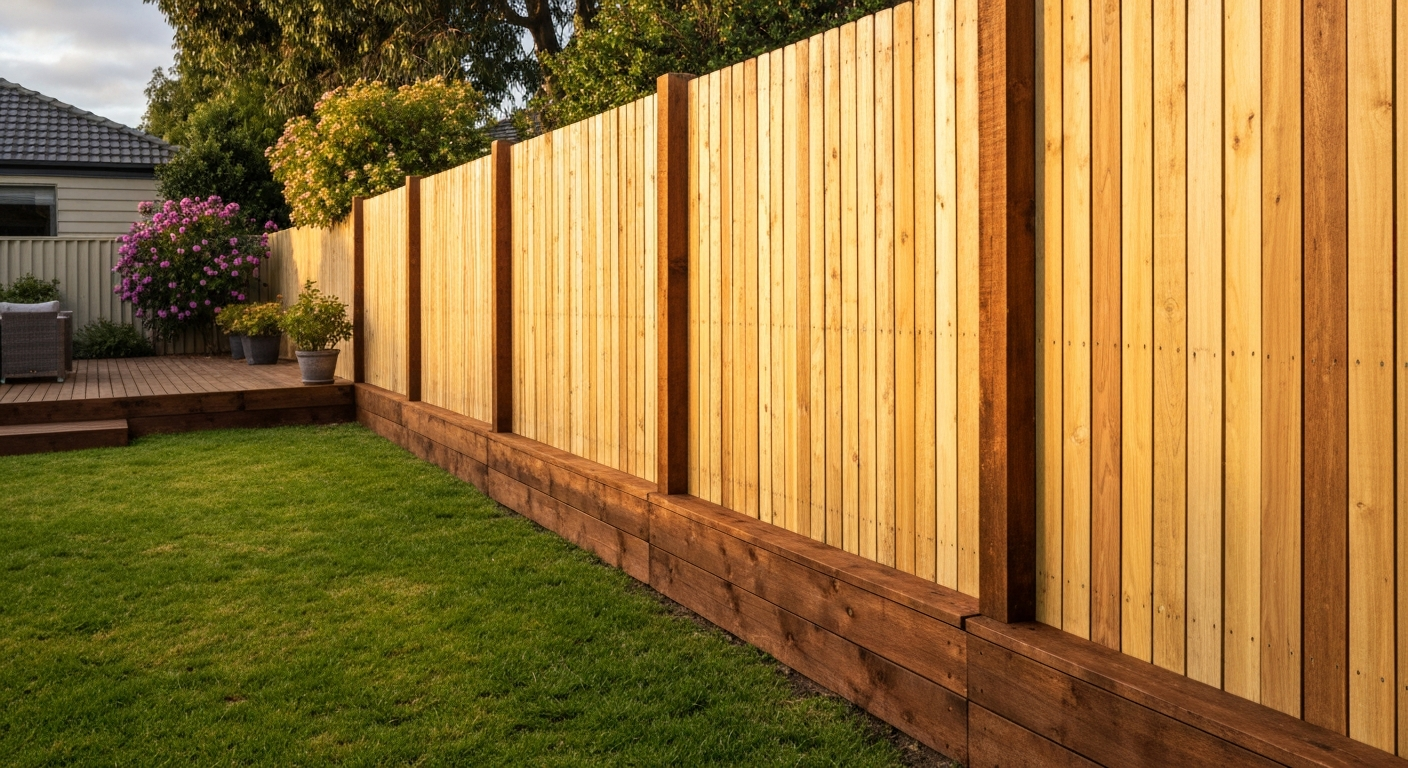
Before you authorize off, do your own fast evaluation. Right here's a limited list you can go through in 10 to 20 mins:
- Confirm article spacing and straightness along the line from at least 2 angles
- Open and close every gateway, including the latch, without requiring
- Look at corners for consistent placement and secure connections
- Check bottom voids and clearance, especially where pets or toddlers may pass
- Scan for loose hardware, sharp edges, and debris left behind
If a fencing contractor takes pride in their work, this walkthrough will not feel like an interrogation. It needs to feel like a typical last step.
What transforms the process in real life (and why teams make judgment phone calls)
Every fencing job is "the very same" until it isn't. There are a couple of real-world variables that alter the sequence or need extra attention.
Slope and unequal grade
On a level lawn, panels can be aligned with very little adjustment. On an incline, you need to determine in between tipped areas or custom progressing. In any case, gate procedure and the visual line of the fence must remain regular. A fencing contractor who understands grade handling will certainly talk through the alternatives prior to they commit.
Rock, roots, and dirt type
Clay soils behave in different ways than sandy soils. Roots complicate holes. If there's rock near the surface, drilling and digging approaches alter. An experienced fencing contractor make up this rather than claiming every hole is just as easy.
Wind and edge loads
Privacy fencings can act like sails if the design and supporting are not right. Corners and ends take additional stress and anxiety when wind presses against the fence. This is why robust end blog posts and correct supporting matter so much.
Underground utilities and hidden obstacles
Even with energy checks, shocks can happen. Previous landscape design, old grounds, or hidden debris may show up during digging. A fencing company ought to be geared up to react safely, not simply continue digging blindly.
Common problems and how the appropriate procedure avoids them
You can conserve yourself money and time by recognizing what goes wrong.
- Fence leaning generally indicate bad blog post deepness, insufficient stablizing, or hurrying concrete collection times.
- Sagging chain-link usually originates from not enough tensioning or weak end blog posts.
- Gaps near gates turn up when joints, frame square, or grade clearance weren't intended.
- Warped panels have a tendency to be linked to setup order, rail placement, or not enough supporting during setting up.
- Fading or early wear frequently originates from finishing shortcuts, incorrect materials, or surface area preparation issues.
The twist is that the majority of these troubles are avoidable when the actions are complied with in the best order, with precise measurements and sincere material handling.
Picking the right fencing contractor for the job
You don't need to hire the fanciest business. You require one that runs a regimented process.
When you talk to fencing contractors or a fence company, pay attention for exactly how they speak about accuracy and preparation. The most effective ones focus on verification, architectural security, and fit, not just speed up and price.
Here are a couple of quick signals that tend to correlate with great:
- They ask making clear questions regarding borders, entrances, and site conditions
- They discuss exactly how they'll determine and mark the layout before digging
- They discuss blog post setup and positioning contact self-confidence
- They talk ending up realistically, consisting of timing and climate aspects
- They lay out an assessment and cleaning plan, not just "we'll mount it"
If a fencing contractor skips these discussions and leaps straight to materials and costs, you're the one bring the risk.
The detailed timeline you can in fact expect
Every job varies, however the overall sequence is usually consistent.
A straightforward installment usually follows this rhythm: site verification and dimension initially, then layout and opening excavating, then blog post set and stabilization, then rails and panels, after that entrances and hardware, ending up, and last cleanup. Where time modifications is mostly around article setup and finishing routines, plus any type of allowing or survey coordination.
If you're waiting on a survey upgrade, expect the calendar to stretch. If you're collaborating utility checks, consider organizing. Climate influences completing and established timelines. A good fence company provides you a realistic expectation based upon neighborhood conditions.
Final thoughts: a fencing is constructed two times, once on paper and once in the ground
The most trustworthy installs really feel tranquil due to the fact that the planning is solid. The staff recognizes where the line is, how the quality should be managed, which posts bring tension, and just how entrances will run after the lawn clears up from regular weather and temperature shifts.
When you recognize the process detailed, you can quit thinking and begin reviewing. That's the advantage. You're not simply getting a fence. You're buying a series of choices made under pressure, measured against the actual conditions of your property.
If you're employing fencing contractors, deal with the procedure as the product. Completion result will certainly reflect just how seriously they take each step, from limit verification to that last gate check.